
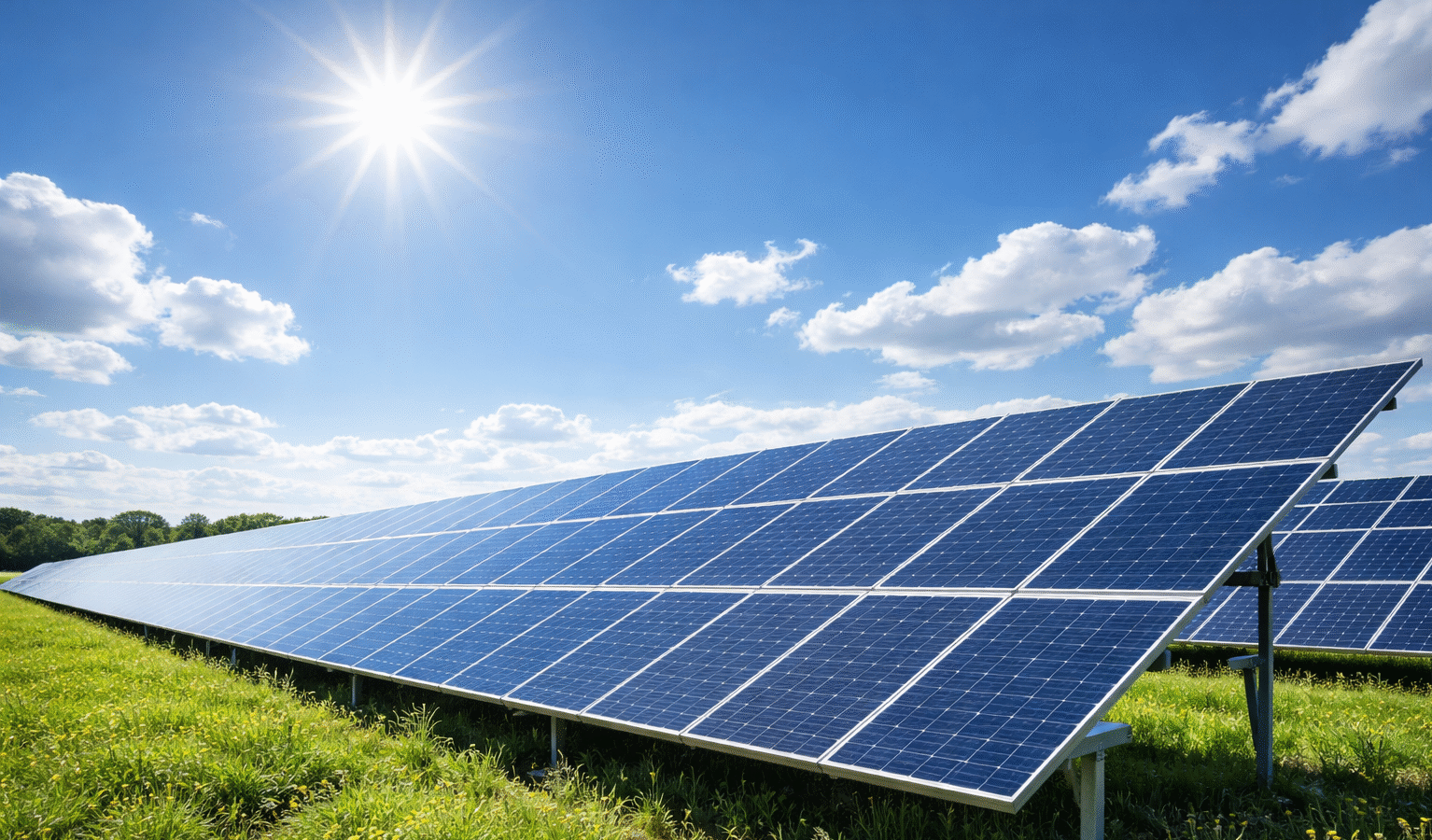

India Rooftop Solar Revolution in 2026: 2.7 GW Growth for Homeowners
India Rooftop Solar Revolution in 2026: 2.7 GW Growth for Homeowners is entering new solar sector scheme. Now more households look for ways to reduce electricity expenses to adopt clean energy. Solar power is becoming a choice for residential consumers. The expansion of 2.7 GW of rooftop solar capacity till January to march 2027 is receiving a boost from government initiatives such as PM Surya Ghar Bijli Yojana.
What is 2.7 GW of Rooftop Solar Capacity Means?
1 Gigawatt means= 1,000 Megawatts and 2.7 GW means= 2700 MW, and adding 2.7 GW of rooftop solar capacity represents an expansion of India’s solar generation infrastructure. Rooftop solar panels are installed at homes, offices, shops, schools, factories and other buildings where roof space is available. However, it is very important to distinguish between installed capacity and electricity generation every day. The reported growth should also be verified against the latest official renewable energy statistics before using it as a final market vales or figures.
Why Residential Solar Demand Increasing?
Electricity expenses are an important for many Indian households and families look for many ways their monthly budgets, rooftop space and electricity generation from sunlight.
Residential solar generation can provide many solar benefits
- Lower Dependence on Grid Electricity– Solar system can generate electricity during daylight hours and reducing the amount of power a households need grid.
- Potential savings on Electricity Bills– Amount of dependency energy generation households consumption depends on electricity tariff and applicable billing arrangements.
- Grater Energy Awareness
- To encourage homeowners to monitor electricity and use more energy effciently.
- Clean Energy Benefits– Solar power generates electricity and direct emissions during operation and its is beneficial for Cleaner Future of the India nad the World. Actual financial benefits depends on its performance, maintenance, financing, and local electricity regulations.
How PM Surya Ghar Mfft Bijli Yojna always supporting of the ROOFTOP Solar Pnales?
PM Surya Ghar Muft Bijli Yojana is designed to encourage residential rooftop solar adoption in India. This scheme provides financial support to eligible candidates who are installing for rooftop solar systems. For homeowners this upport may help to reduce their bills and initial investment for solar installation is very helpful.
What Should Homeowners know about this PM Subsidy?
Under this subsidy entire solar system will be free and amount of financial assistance depends on these factors such as:
- What is the eligibility for households under this scheme
- There should be approved rooftop solar space
- Applicable subsidy rates under the governments rule according to areas.
- Installation process and relevant DISCOM and scheme requirements
Conclusion
Rooftop solar can help homeowners and it may reduce grid electricity dependence and manage long term energy expenses. Smartest decision to install largest or cheapest system that matches your electricity consumption and rooftop conditions. Before making your decision final, firstly review your electricity bills, your rooftop space, verify subsidy eligibility and solar energy is not just about installing panels on your roof but it is about well formed investment for home and energy future.
FAQ
Can Rooftop solar make your electricity bill zero?
This is the one of the most important question arise in everyone minds but it may depend on monthly electricity consumption, solar system capacity, roof conditions, sunlight availability, electricity tariff, billing arrangement and fixed charge.
How much Roof Space is needed for Rooftop Solar panels?
It depends on panel wattage and dimensions, its efficiency, layouts, maintenance space, roof infrastructure and orientation.