
Solar Tracking System: new Technology can generate 40 % Electricity
If your Rooftop Solar Panels could follow the sun from sunrise to sunset and it would automatically turn the sunlight into solar energy. Capturing Maximum solar energy every day this new technology of solar tracking system changing the way solar power generation every hour. Many people are installing solar panel but don’t know maximum result. Same solar pane without increasing number of panels it could produce 20 to 40 % more electricity. It could be possible with the help of Solar tracking system. In this blog we will learn about solar tracking system, how it works and types, costs.
What is a solar Tracking System?
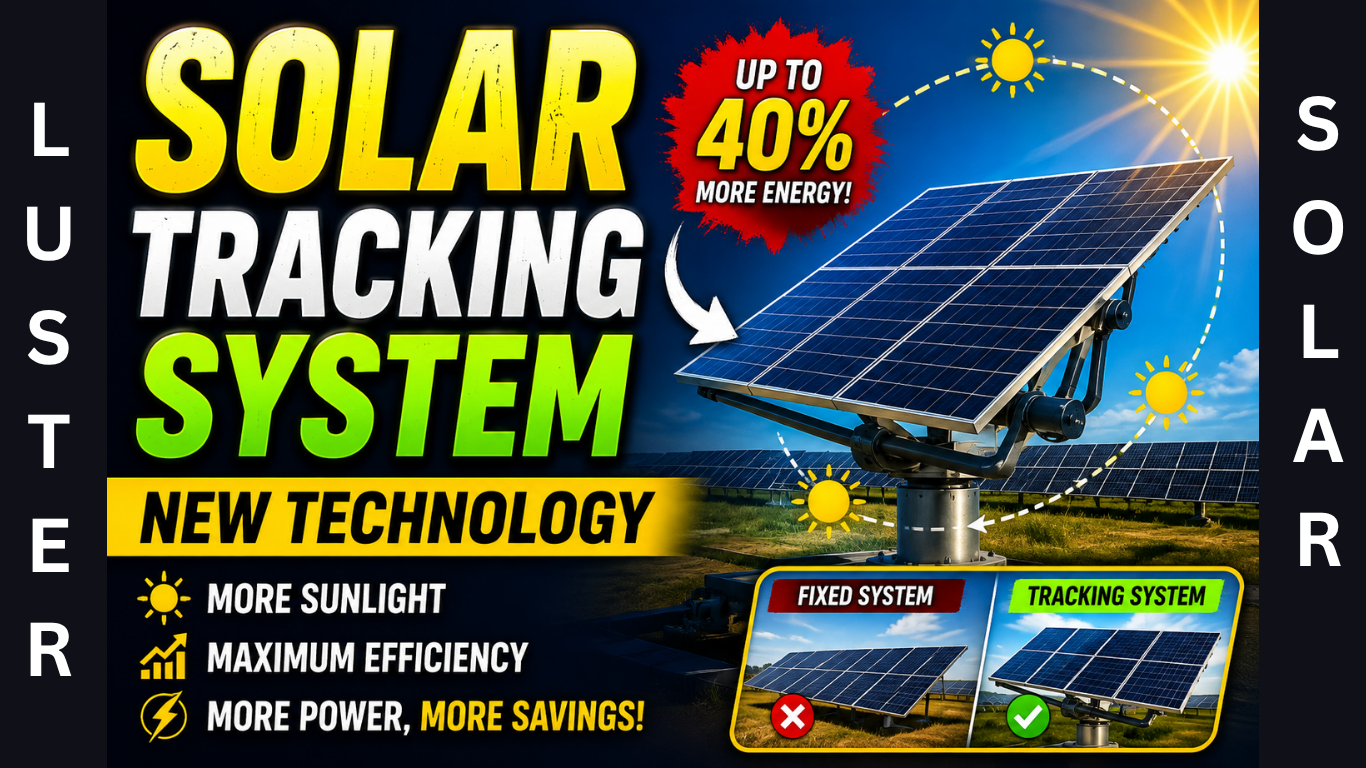
Solar Tracking system is that automatically technology changes the direction of solar panels throughout the day so that they continuously face the sun. Traditional fixed solar panels remains at one angle and rotate the panels to receive the maximum amount of sunlight. Result of Tracking is higher electricity generation, better panel efficiency and improved return on investment.
How Solar Tracking System work?
Most of the rooftop panels are installed at fixed angle. Morning sunlight come from the east and in evening the sunlight comes from the wet and fixed solar panels cannot move and they receive sunlight at less that ideal angels. Solar Tracking system continuously adjusts the panel and follow the sun and it include Solar Panels, Electric Motor, Controller, Sensors, Mechanism and Software. controllers receives information from sensors and instructs the motor to rotate the solar panels.
Types of Solar Tracking Systems
- Single Axis Solar Tracker System- This tracker rotates on single axis and it moves from east to west and following the sun’s daily direction. Its advantages are simple design, lower cost, It is commonly used in large solar farms.
- Dual- Axis Solar Tracker– Moves both horizontally and vertically. It allows the panels to follow up the sun in accurately throughout the day. Advantages of Dual- Axis provides maximum sunlight and 40 % higher energy production. It is of higher cost, more maintenance and more moving efficiency.
How much extra electricity it can produce?
Solar tracking system can produce extra electricity rather than fixed panels. Actual performance and result depend on location, weather, panel quality, installation and tracking accuracy.
| System | Extra Power Generation |
| Fixed | Base Output |
| Single- Axis | 15-25 % |
| Dual- Axis | 30-40 % |
Is Solar Tracking Worth for India?
India Receives sunlight throughout the year and attractive market solar tracking systems. Large commercial and utility- scale solar plants can increase electricity generation and improve projects based economics over time. Tracking Technology become more affordable for homeowners. Installation cost of tracking panel is higher rather than fixed and electricity generation is also higher then fixed panels. Lifespan depends on its maintenance.
Future of Solar Tracking Technology
Future of Modern tracking systems are becoming smarter it is using. Some advanced trackers move to a safe position during storms or strong wind t protect the solar panels.
- Internet of Things
- AI ( Artificial Intelligence)
- Weather forecasting system
- Wind Protecting Technolgy
- Cloud Monitoring
- Remote diagnose
Finally
Solar Tracking system is an advancement of solar technology by enabling to follow the sun and capture sunlight. It compared fixed installations and can substantially increase solar energy production. As this technology is continue evolve and cost decrease. solar tracking system are likely to play an important role in improving efficiency and sustainability of solar power worldwide.
FAQ
What is solar tracking system?
Solar tracking system is a mechanism that automatically adjusts the direction of solar panels to follow the sunlight through out the day and maximize energy generation.
What are the drawback of solar tracking system?
High Installation cost